ENG

During the New Year holidays in Crimea, what the occupiers had warned about actually happened: mobile internet was shut down on the peninsula. WhatsApp went down completely, and Telegram slowed down so much that even text messages were delayed by an hour or an hour and a half. Sharing photos and videos was out of the question. A week before New Year's Eve, Sergey Aksyonov announced the internet shutdown, promising that it would last "until the end of the special military operation." "The security measures are justified," said the Gauleiter, "you have to accept it."
Young Crimeans are the least willing to "accept" it. Despite all the efforts of the occupiers to brainwash young minds, teenagers are openly outraged instead of "patriotically" enduring it.
"Are they tripping?!" exclaims an irritated high school student from the Simferopol district. "First, they banned Roblox (a gaming platform - Ed.). Now it doesn't even work through VPN! Where can we escape from all this, even for a week?!"
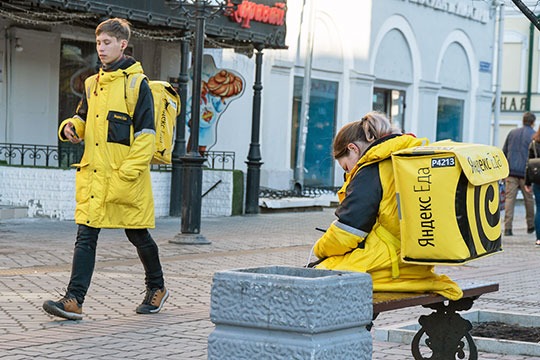
However, what annoys teenagers is not only the inability to play their favorite online games, but also the inability to earn money. Many young Crimeans work as couriers in their free time, and the delivery system has become much more complicated due to internet difficulties. Previously, orders could be viewed in the app, and the route and estimated delivery time could be planned.
"Google Maps used to glitch here, but at least it helped me find the right street, and now it doesn't load at all. How can I take orders without knowing where to go and when I will arrive?" says a courier from Simferopol about his current working conditions.
Taxi drivers have also been cut off from orders through apps. "We have now reverted to ten-year-old technology – with dispatchers, radios, and the need for customers to call by phone to place an order," says a driver from Yalta, adding that all Crimean taxi services are currently operating under the same conditions.
Most likely, retail outlets will also have to return to the past. The owner of three grocery stores in Yevpatoria predicts that sales will fall because internet restrictions will lead to a reduction in bank card payments. In addition, this will entail daily cash collection with the associated additional costs. "We will probably have to order goods the old-fashioned way — by sending suppliers text messages with the product code and quantity. And what about the daily alcohol sales report, which must be sent to the registry via the internet?" the businessman asks, unable to hide his irritation.
Crimeans whose earnings are linked to the resort season are also pessimistic. Why would tourists go somewhere where there is no internet? Especially since no restrictions have been announced in neighboring competitive regions.
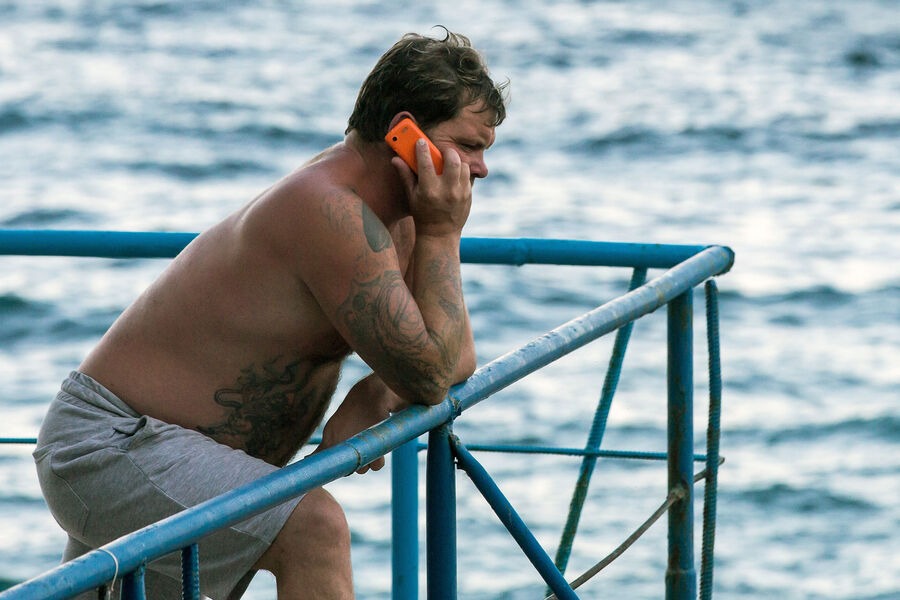
"This statement by Aksyonov puts a huge damper on all our plans for next summer. What normal person would go to Crimea for vacation if they risk getting lost on the way, not being able to watch their TV series, or choose where to go in the evening? And he even had the nerve to say that the problem will remain until "SMO" ends — so that no one will even look at Crimea in the near future," says the owner of a mini-hotel on the southern coast of Crimea, indignantly.
He considers the Gauleiter's proposal to "come to terms" with potential losses to be particularly cynical. "There are no legal grounds for restrictions – no state of emergency, no martial law. Accordingly, I cannot even count on compensation for the losses from this stupidity. All they offer me is to put up with it and then explain to my hungry children that it is for their safety," the hotelier complains.
Incidentally, the security for which, according to Aksyonov, the internet is being blocked, will actually suffer first. This is certain for people for whom security and protection are their profession. After all, the vast majority of alarm systems are connected to the Internet for notification of security control panels, and video surveillance cameras store recorded images in cloud storage.
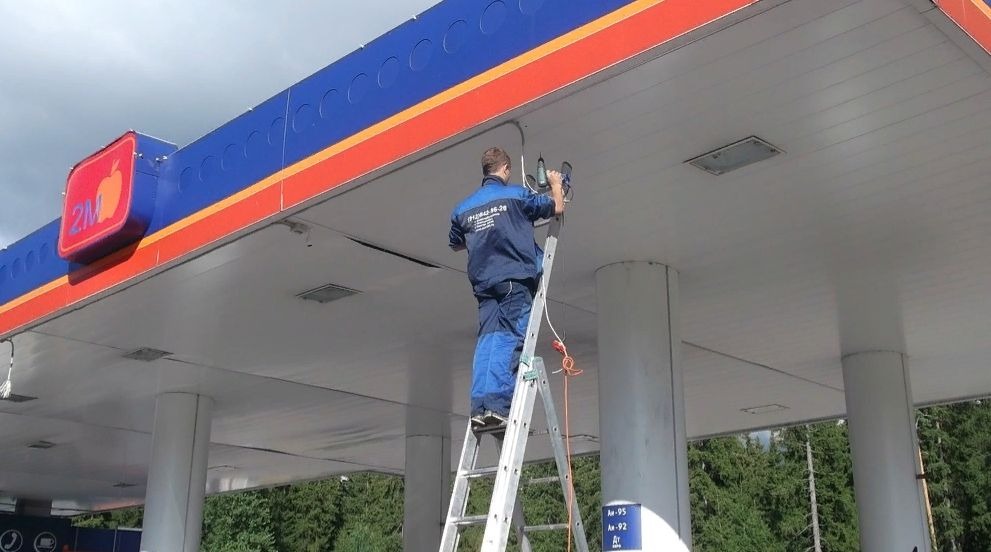
"Almost all of our facilities are on mobile Internet. Construction sites, gas stations – there are many places where it is not possible to run an Internet cable. Even a few minutes of mobile internet downtime can have serious consequences," says a senior employee of one of Sevastopol's security companies, sharing his concerns.
Even collaborators from the occupying authorities see more problems than benefits in blocking the internet. In particular, an employee of one of the agencies formally created to protect human rights, speaking on condition of anonymity, said that his colleagues reacted extremely negatively to the news of the restrictions.
"There are many structures that analyze various aspects of public sentiment. This is data that no Crimean statistics agency or opinion poll will show. But it is based on this data that many management decisions are made," says the official, who is certain that due to problems with the internet, control over public sentiment will be lost, and the lack of quick access to official sources of information will lead to information chaos. “People are deprived of access to news and official instructions. In conditions where, every day in Crimea, bombs are falling here and there, this is ideal ground for panic and the spread of rumors. In such conditions, the level of stress and anxiety in society rises sharply,” predicts the collaborator.