ENG

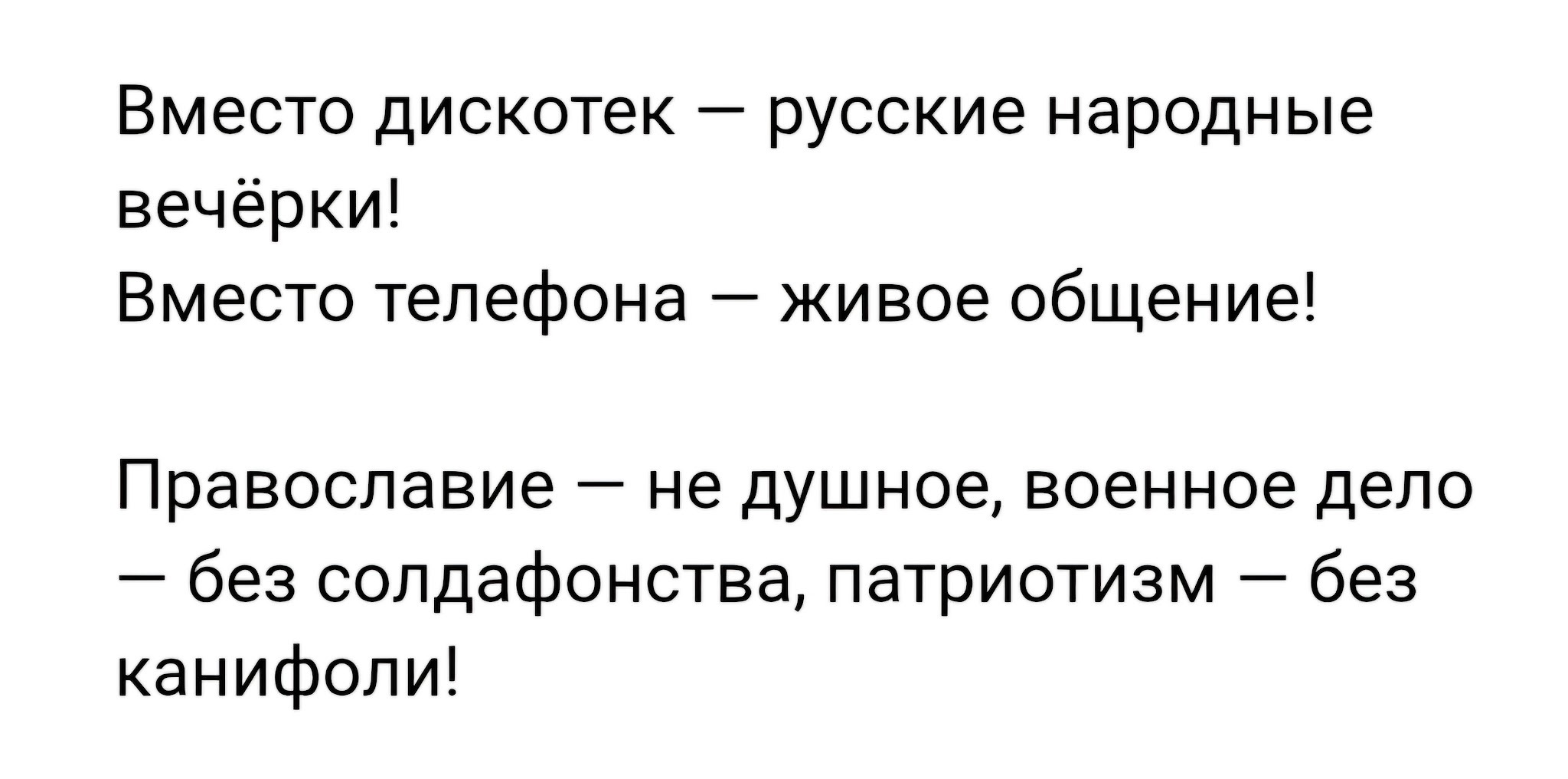
Instead of a disco, there’s a circle dance; instead of the beach, there’s prayer; instead of a mobile phone, there’s a balalaika. This is the kind of summer holiday that travelling organisers from Russia are offering schoolchildren in Crimea at their ‘Orthodox military-patriotic camps’. The first such establishments opened on the peninsula in 2023, and the project has expanded rapidly ever since.
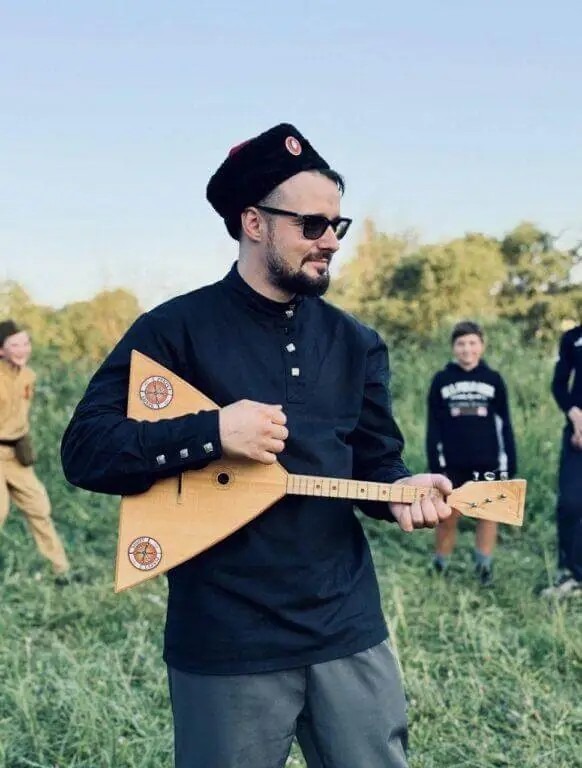
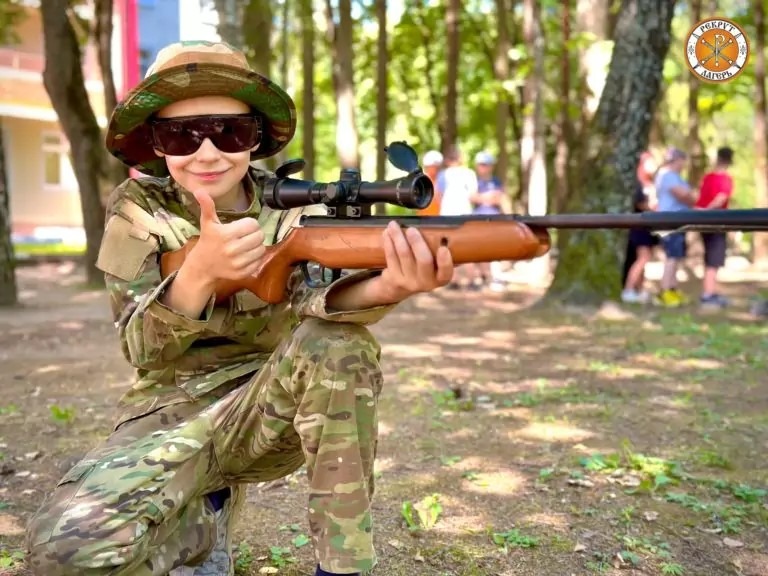
Ilya Kostrov has been brainwashing Russian children for eleven years. The organisation he heads is called ‘Recruit’ and has been operating in the Moscow region since 2015. This summer, ‘Orthodox military-patriotic values’ will be brought to Crimea as well.
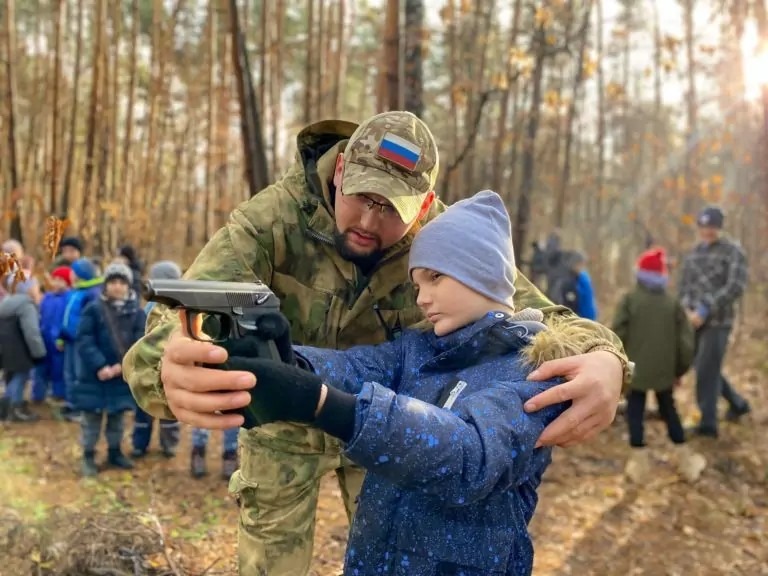
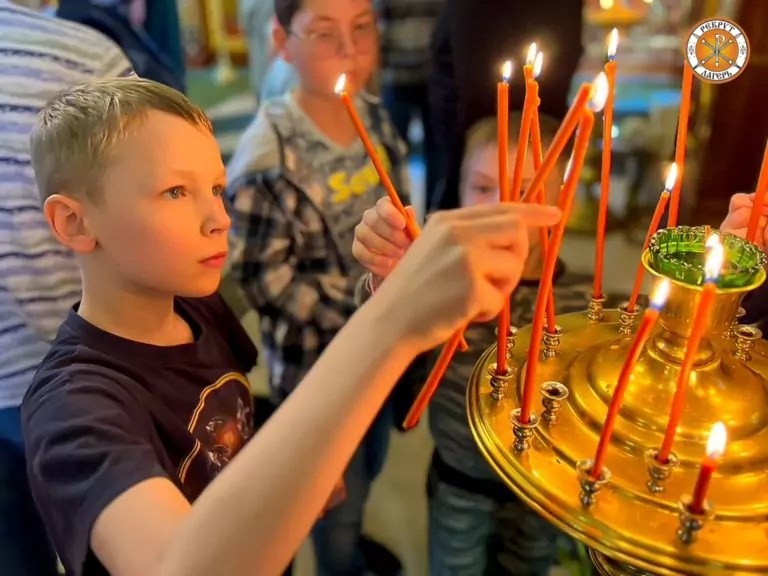
The daily routine at the camp includes morning and evening prayers, hand-to-hand combat and shooting lessons, assembling and dismantling assault rifles, dancing in circles wearing kokoshniks, and playing the balalaika and accordion. The children’s mobile phones are confiscated and returned for just a few minutes in the evening — to call their parents. In interviews with Russian propaganda outlets, Kostrov boasts of his voluntary participation in the invasion of Ukraine, though he does not provide any details.
Other Moscow-based touring groups are visiting Crimea for the fourth time. The ‘Brotherhood of Orthodox Pathfinders’, a group affiliated with the Russian Orthodox Church, has been actively working on the peninsula since 2023.
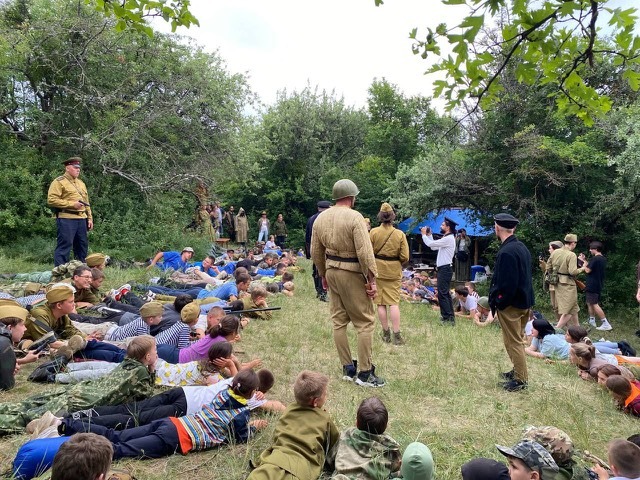
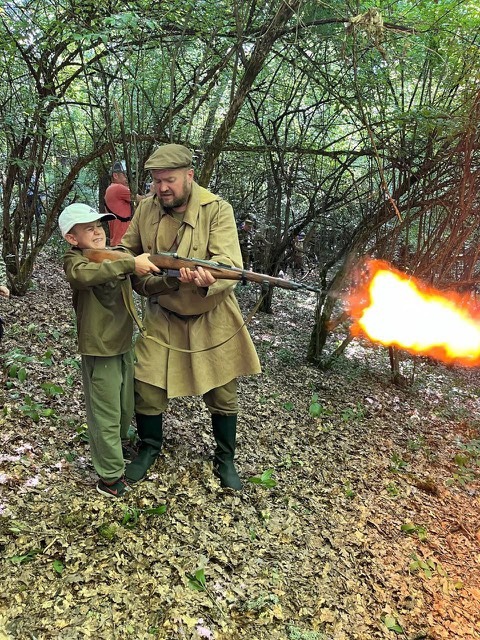
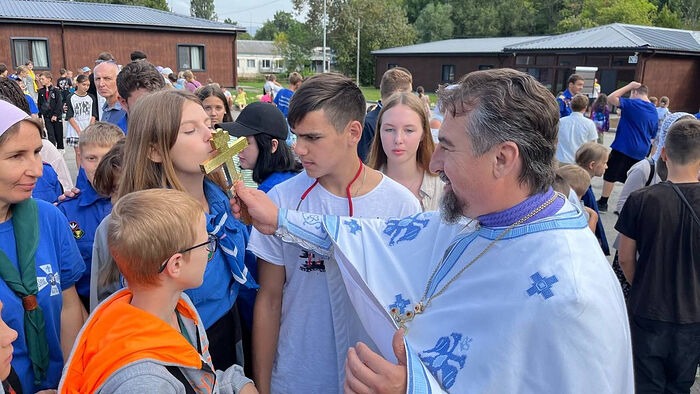
Among the activities that the ‘brothers’ offer at children’s camps are meeting ‘heroes of the Special Military Operation’, training in sabotage, playing assault games and, of course, praying.
Almost every Russian Orthodox church in Crimea is currently advertising the opportunity to send children on ‘active holidays with spiritual development’. The main ‘spiritual’ message of such camps is that giving one’s life for Russia is not something to be feared, but rather an honour.
‘First they tell you that this country has been chosen by God and has its own unique path. Then they say that the forces of evil and Satan have taken over the rest of the world, plunging it into depravity, and now want to do the same to the innocent Russian land. Next, they speak of brave warriors who were not afraid to give their lives for their homeland. And only then do they say that these children, too, will have to become warriors and defend holy Russia from evil. All this is not instilled in a single go, but is planted in their minds for life. And then these people live with the firm conviction that their destiny is to die heroically when Russia calls,’ says a direct participant in the project, a seminarian from Simferopol, who last year worked himself at an Orthodox children’s camp in the Bakhchisaray district.
Children are being brainwashed at their parents’ expense. It is not a cheap undertaking: for example, a two-week stay for a single child at ‘Recruit’ will cost a family 70,000 roubles (around $1,000 – Ed.). That said, provision has also been made for large and low-income families: the church will cover the costs for their children. There are also free programmes — participants in these work off their fees by serving in monasteries or churches. No one is particularly hiding the state’s involvement in the project. At the very least, Olena Khavchenko, an adviser to the Children’s Rights Commissioner, has been appointed coordinator of the summer programmes for the Crimean Diocese of the Russian Orthodox Church. How many children she plans to teach to die for Russia this summer remains classified information. But the Russian Orthodox Church itself is pleased with the scale of the brainwashing. On the website ‘Pravoslavie.ru’, the peninsula is referred to as the ‘centre of youth pilgrimage for 2026’, and the diocesan camps as the ‘foundation of Orthodox recreation’.