ENG

Ivan Aivazovsky. “The Storm is Abating” (1870s), stolen from the Kherson Art Museum
When you spend almost every summer in Feodosia as a child, you know very well that Lenkoran acacia smells like raspberries, that crabs wash up on the shore after a storm, and that the Aivazovsky Gallery is usually boring, but your mother still takes you there every time you visit to look at the paintings. And this habit of always going to a museum when you visit a new city stays with you for life.
This fact probably played a role: I visited Kherson several times, but never managed to visit the art museum and see its collection. I kept thinking: next time. And it didn't happen. In early March 2022, the Russians occupied Kherson, looted museums, and continue to destroy the city and kill people every day.
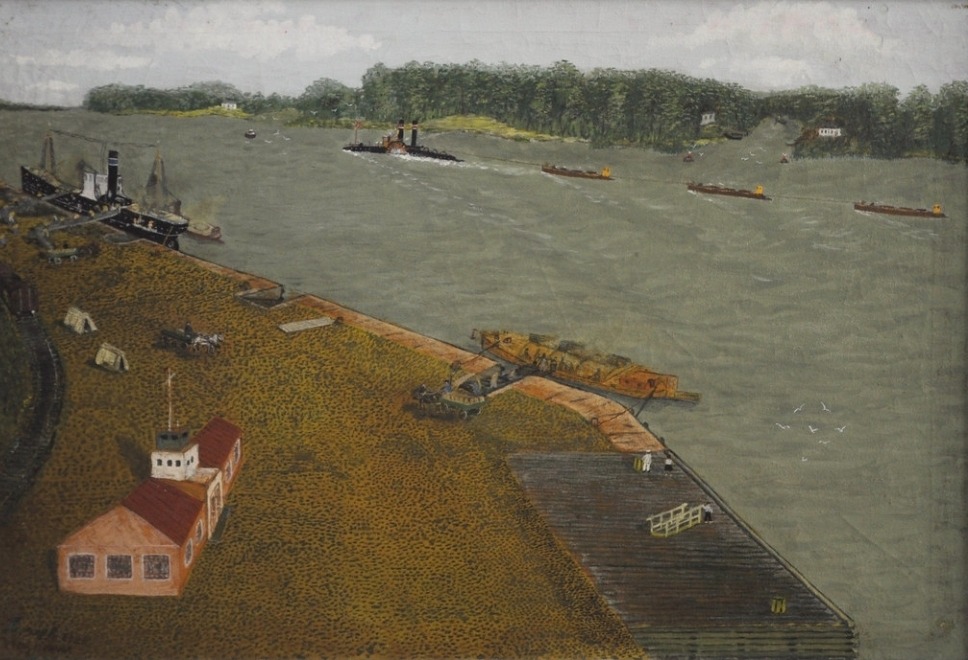
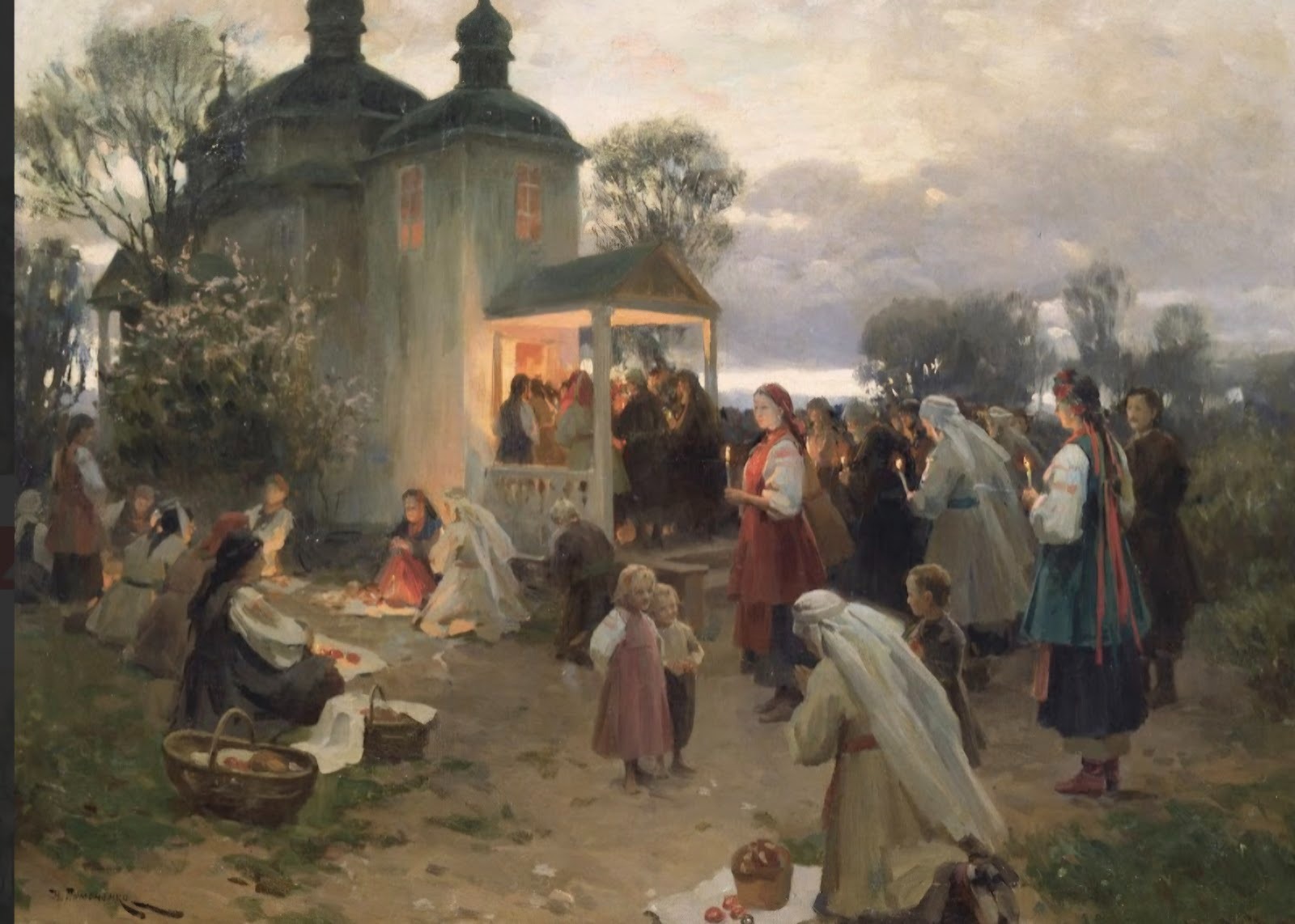
I think there are many who did not have time to see it. In general, after the robbery, you are surprised to learn about the masterpieces that you will never see. I first contacted the press secretary of the Kherson Museum, Larisa Zharkykh, and asked her to send me photos of what was there and what remained, and then I came up with the project “NOT/stolen” — so that Ukrainian artists would not make copies of the works that the Russians took from Kherson, but to convey their experiences — an homage or study of the stolen painting or sculpture.
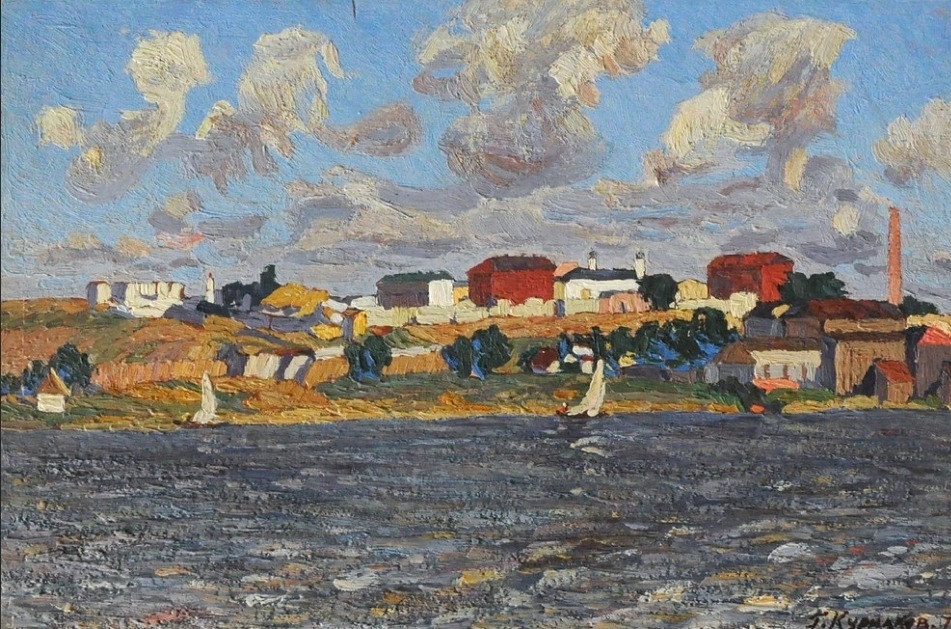
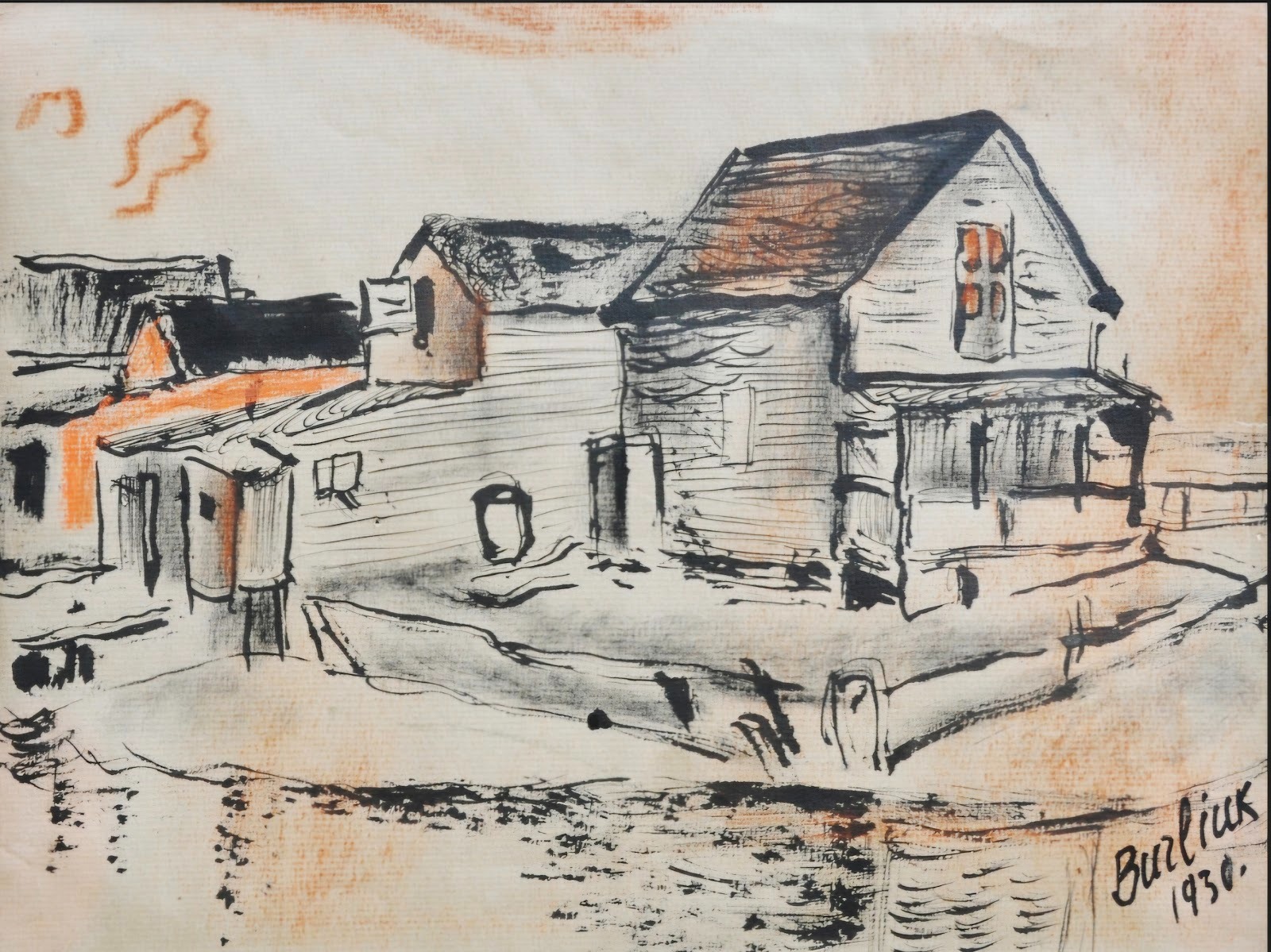
A similar educational art project was carried out by the Khanenko Museum in Kyiv in September 2020, when, along with its main exhibition, it showed the public 58 canvases from the cycle “Studies and Allusions” by the famous Ukrainian artist Matvey Vaisberg: at that time, it was a reinterpretation of classical works of art, ranging from the works of Georges de La Tour and Francisco Goya to Paolo Uccello and Gustave Doré. That was the key: we would show what had been stolen, but we would do it so skillfully that it would be a completely new collection, no worse than what had been there before. Matvey Vaisberg supported the idea, bringing in his artist friends, and the project took off.

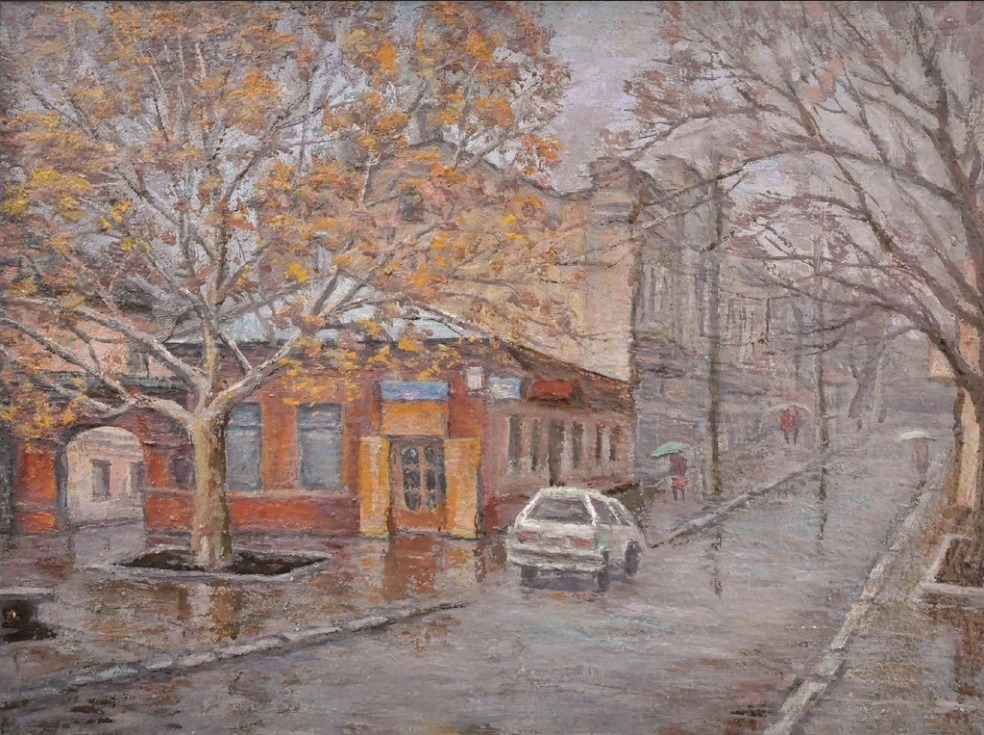
A study is a research and an etude. An homage is a work of gratitude to an artist. It is not an exact copy or a replica, but a tribute and gratitude to those who made this world a better place in the past. That is why we named the project “NOT/Stolen: Studies and Homages” and dedicated it to the works of art stolen by the Russians.
Currently, artists from different cities of Ukraine are participating in the project:
Oleksandr Zhyvotkov, Akhra Adzhindzhal, Hanna Gidora, Vladyslav Shereshevsky, Andriy Levytsky, Oleksiy Belyusenko, Oleksandr Shcherban, Volodymyr Trush, Hanna Kryvolap, Katya Lisova, Tanya Antoniuk, Mykola Sologub, Anton Logov, Olena Pryduvalova, Oleksiy Apollonov, Max Vitik, Polina Kuznetsova, Serhiy and Ihor Bozhky, Oleksa Mann, Yaryna Kobilinska, Denys Nedoluzhenko, Volodymyr Semkiv, Oksana Tsyupa, Vsevolod Sharko, Ilona Kuznetsova.
Together with Ukrainian artists, we want to support Kherson and its residents, not only in the liberated city under fire, but also to make it clear to those who are under temporary occupation on the left bank: we have not forgotten you. We strive for liberation, we help the Armed Forces of Ukraine, we do everything to ensure victory. It is important now to show the world that the Russian invaders did not start their plundering in Kherson and Mariupol, but earlier, with the occupation of Crimea.
Come to the exhibition on Saturday, February 21, in Kyiv at the War Museum at 3 p.m. for our opening. We invite everyone, especially the Kherson community in the capital and Crimeans, because Kherson is the gateway to Crimea, and on February 26, we celebrate the Day of Resistance to the Occupation of the Peninsula. With the project “NE/VKRADENE” (NOT STOLEN), we are stitching Ukraine back together, restoring meaning: we are united, despite the occupied territories, we are together in our desire for Ukraine's victory and the return of our territories and cultural values.
Project page https://www.facebook.com/profile.php?id=61579272314439
Link to the event https://www.facebook.com/events/1576943413548387
Curators: Olena Balaba, Oleksii Baula, Anton Logov
Project coordinator – Roza Tapanova
Supported by Sense Bank


.jpeg)
.jpeg)
