ENG

The western suburbs of Aqmescit (Simferopol). Every day, big fuel tankers drive along the deserted streets of the Crimean capital. They sell fuel by the liter. Residents who have money and containers continue to stock up for a rainy day. In nearly every yard, gasoline is being transferred into smaller containers. The smell of hydrocarbons has already become familiar, says Aliye, a resident of the Ak-Mechet district.
“You won’t smell the Crimean rose or the scent of local fruits anymore. We’re like gasoline addicts now. If we can smell the fuel, it’s as if we’re still alive. It may be unpleasant, but we’ll manage somehow. Still, I wonder — what if it catches fire or starts exploding? In the ’90s, there were so many cases where entire families died because of mishandling stoves or gas cylinders. We were returning to barren land and living in wild conditions…”
Meat prices held steady for a long time. However, by the end of the first week of July, they began to climb. Chicken prices rose the most — by a factor of one and a half, from 260 to 380 rubles per kilogram. Farmers began slaughtering livestock en masse because there’s a risk that in a few weeks, there will be nothing to feed them. However, this won’t affect prices: large volumes of meat won’t reach the market, says Bekir, one of the meat merchants.
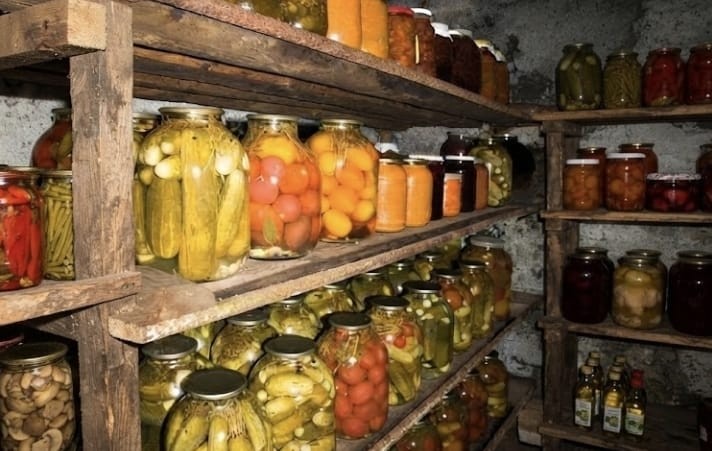
“Everyone is building up strategic reserves. Whoever has meat will survive the famine. There’s no hope for refrigerated trucks or deep freezers — how can you store meat there without electricity? And if you use generators, the meat will end up costing more than black caviar. People have resorted to the old-fashioned method: salting meat in barrels.”
Farmer Milena is in despair — she says that even if they slaughter all their livestock, there’s no question of making a profit.
“We’ll eat our fill now, and our reserves will last us until spring. But what then? I suppose we’ll become vegetarians — if we manage to grow anything without water and fuel.”
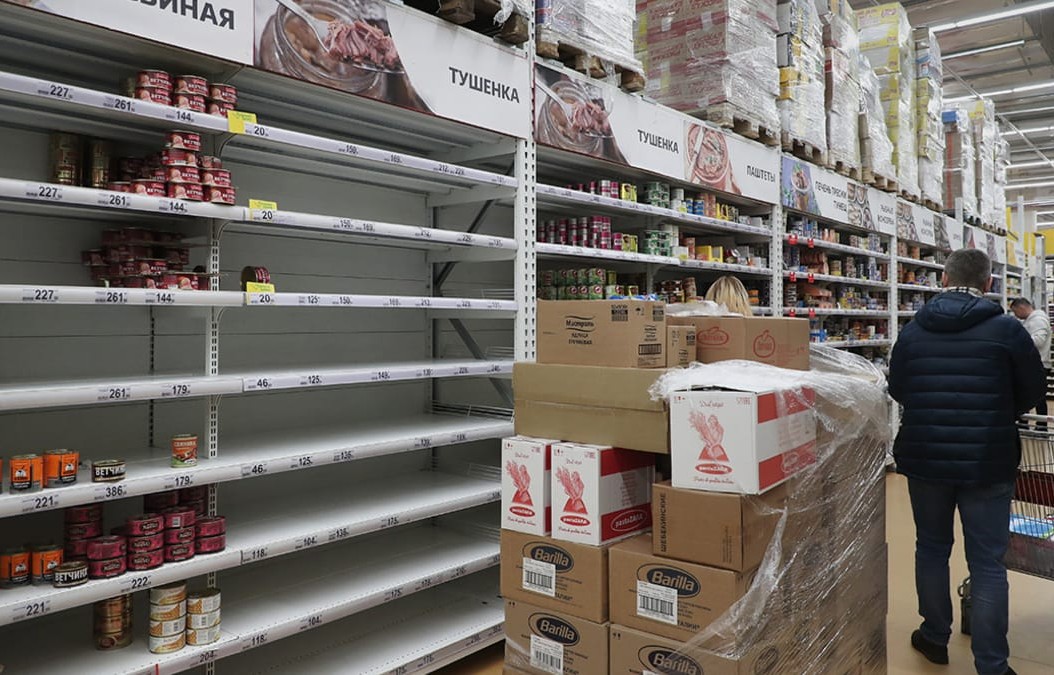
In the Crimean capital, there are already entire chains of stores where the shelves are empty, just like in the late ’80s in the USSR. “Dixy” is a Russian discount chain (something like Ukraine’s ATB). The shelves are stocked with beverages because people are buying up the rest of the merchandise faster than the store can receive new shipments. Online marketplaces haven’t stopped doing business with the peninsula yet because they fear “patriotic reprisals,” but they’re doing everything they can to prevent Crimean customers from ordering goods from them: they offer delivery within a month, and the delivery fee often exceeds the cost of the order.