ENG

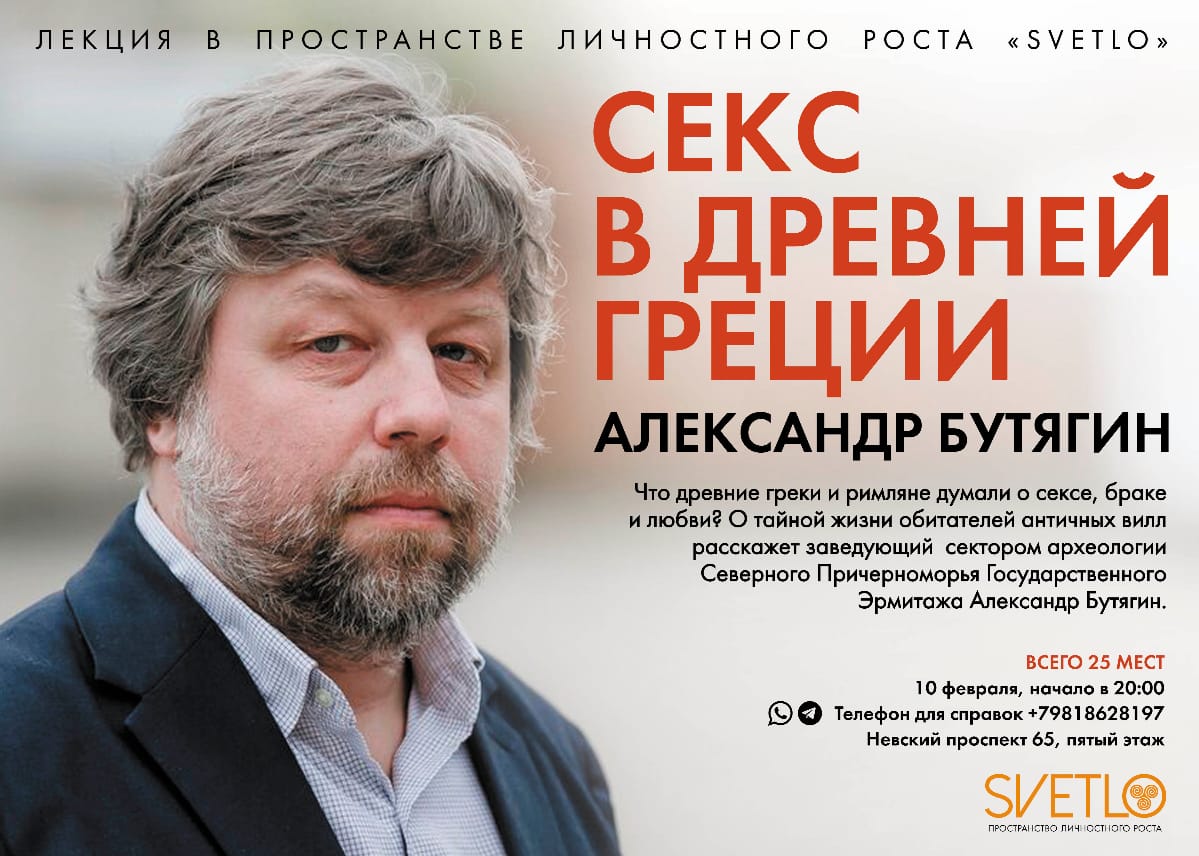
Alexander Butyagin has led the Russian Hermitage's archaeological expedition in Crimea since 1999. Nothing has changed for him, either in 2014 or in 2022. He continued to excavate the ancient city of Myrmekion in Kerch, send the finds to his native St. Petersburg, and travel the world giving lectures on his achievements. This continued until December 4 this year. Butyagin gave successful lectures in Prague and Amsterdam, but his lecture in Warsaw did not take place. A few hours before it was due to start, Polish law enforcement officers arrested the scientist at his hotel. The basis for the arrest was a request from his Ukrainian colleagues. On December 23, Kyiv sent another request - for the extradition of the suspect.
These events caused shock in Crimea, both in scientific circles and among human rights defenders and civil society activists. After all, the Russian lobby in European science is as strong as it is in the arts. No one expected the concept of “scientists outside politics” to prove so fragile.
"We tried to work with this in the Czech Republic last year. And we were shocked at how bad things were. At one highly respected scientific institution, its director passionately argued that scientists who openly approve of the war are simply forced to do so because they live in Russia. So he always supports them," says one of the Crimean Tatar community activists.
Crimean archaeologists say that, in fact, their European colleagues had previously criticized them for working without permission from the Ukrainian side. But no one except Ukrainian scientists expressed hostility.
"These complaints that we have not received open letters (permission to excavate – Ed.) from the Ukrainian ministry are constantly heard from colleagues from different countries. And it almost came to blows with Ukrainian archaeologists when we met at various symposiums. They don't want to understand that we have different legal realities. You either work for them or simply give up the work of your entire life," says one Crimean archaeologist, explaining his cooperation with the enemy.
At the same time, he acknowledges that this violates international norms, resembles the theft of cultural property, and does not exempt those who “chose science” from responsibility. Butyagin's story does not elicit sympathy from Crimean scientists — rather, it elicits schadenfreude. After all, the Russian was well aware of the criminal prosecution and even boasted about it publicly.
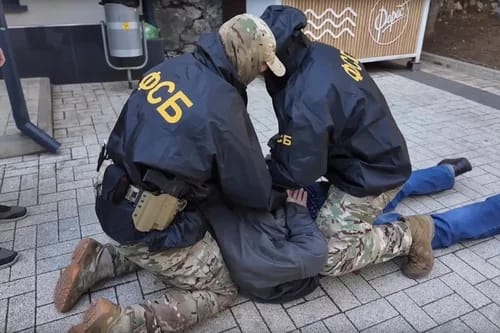
"This is the first arrest of this level, and it is very telling. Here we see clear violations of international norms in all their glory—the looting of excavations, the illegal export of finds to Russia, and the mockery of justice. And now all of us who worked in the occupied territories or hosted exhibitions from the occupied territories or were somehow involved in propaganda campaigns are now like Butyagin. Everyone is at risk. Ukraine has shown that it is no longer afraid to work with “untouchable” figures in science and culture. Butyagin's arrest demonstrates that Ukraine's position is now shared in Europe. This raises the question of whether any scientific exchange or lecture at foreign universities will turn into a tour of European prisons," says the deputy director of one of the Crimean museums.
A former employee of the East Crimean Archaeological Expedition, with which Butyagin excavated ancient settlements, agrees with this conclusion. In his opinion, increasing the responsibility of scientists and cultural figures “for Crimea” could lead to an exodus of people from the profession. And none of his distinguished colleagues will come to the occupied peninsula anymore.
"We are facing degradation and oblivion. All renowned researchers will avoid Crimea. Choosing between the opportunity to work here or maintain relationships in the scientific community, they will, of course, prefer to maintain ties, because without publications, without speeches, without world recognition, you are no longer a scientist, but just an amateur digging holes," the historian laments.
Adding to the pessimism of archaeologists is the behavior of the Hermitage administration, which is doing everything it can to pretend that it has not heard about Butyagin's arrest. The Russian authorities are also in no hurry to help their “black archaeologist.” According to Ksenia Korobeinikova, editor of the Tretyakov Gallery magazine, the arrested man's relatives are paying for his lawyer, and his colleagues are chipping in “whatever they can” to pay for his apartment rent if he is transferred to house arrest. Russia, as always, “does not abandon its own,” scientists say ironically. They were extremely skeptical about the statement by Vadim Maik, director of the Crimean Institute of Archaeology, that the Russian's arrest “will not change the scientists' plans for archaeological research.”
"I can hardly imagine who could and, more importantly, who would want to replace Butyagin in the near future. After all, he was essentially in charge of all the Hermitage's excavations throughout Crimea. Now there is a discussion among colleagues about which Hermitage objects will be subject to conservation and what damage black archaeologists will cause to our excavations after the expeditions leave," said one of the local historians.
Crimean archaeologists prefer to remain silent about the damage caused to historical heritage by the actions of the occupying authorities, especially during large-scale construction projects such as the Tavrida and Novy Chersonese highways. The scale of the damage is incomparable, but scientists are afraid to admit this even in private conversations among themselves.