ENG

Marina had been preparing for this day for several years. An experienced pastry chef, she had worked with the best restaurants in the Crimean capital. Local sweet tooths considered a cake made by her the most coveted birthday gift. And she herself dreamed of opening her own coffee shop. Finally, she took the plunge. The grand opening was scheduled for July 18.
“I knew I wouldn’t have enough money to work in Simferopol — rent there is very expensive. So I found a space in my hometown, Dzhankoy. It needed renovations and was on the outskirts: I have quite a few followers on Instagram, and they all wrote that they’d travel anywhere for my Napoleon cakes and éclairs. I put all my savings into renovations and equipment. I even had to borrow a little from my parents. First, the gasoline ran out, then the electricity, then the water. And people just didn’t feel like eating pastries anymore. I’m not giving up on the lease just yet, because investing 700,000 rubles only to leave the renovated space to the “bigwigs” is simply not an option. I’m still paying 25,000 a month — and waiting for better times,” says the would-be restaurateur, recounting her story.
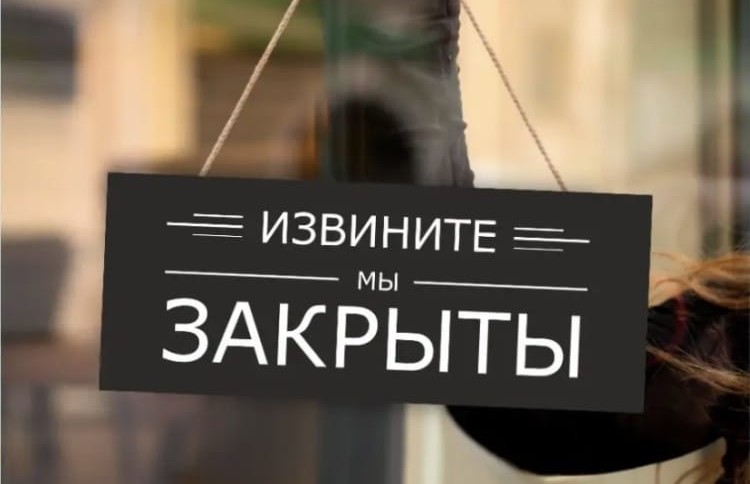
Business owners describe what’s happening to businesses in Crimea right now as a disaster. Hotels, restaurants, stores, and wineries are closing down. The blackout has even brought giants to a standstill: the peninsula’s largest meat processing plant, “Druzhba Narodov,” the Crimean Soda Plant, and the Belogorsk Greenhouse Complex have all announced the suspension of production. The total number of businesses that have ceased operations is classified information. Because the figures could indeed look catastrophic. Some continue to operate just to “break even.” Others have calculated that closing down is more profitable.
“Last summer, we were charging 5,000 per day for ‘standard’ rooms and 7,000 for ‘luxury’ rooms. When it became clear this year that there wouldn’t be any guests, we started lowering our prices. And just imagine: you tell someone the price is 2,500 for a luxury suite, and they ask, ‘Is there anything cheaper?’ And you explain that everything runs on generators, that fuel for them costs a fortune, that even a simple wash of sheets and towels has become a luxury, and that you have to pay staff salaries… And they say, “Yeah, yeah, I get it, but we’re staying for 10 whole days — maybe you could give us a discount?” And at some point, I realized I was so tired of all this. I couldn’t take it anymore and just shut down,” admits Safiye, the owner of an apart-hotel in Sudak.
Some have sacrificed their earnings to preserve their business reputation. Kateryna and Anatoliy, a couple from the Bakhchysaray district, run a family business selling dried fruit. Ten years ago, the couple purchased several dehydrators, which they used to dry plums, apricots, berries, mushrooms, and even tomatoes and peppers. This year, their energy-intensive production never got off the ground.
“My neighbors say to me, ‘Why not just dry all this in the sun?’ And I understand that from the outside, it all seems very simple: spread it out on a blanket in the garden, like our grandmothers used to do, and let it dry on its own. But in reality, it’s a completely different technology — and, accordingly, a different result. Convective drying involves controlling humidity, temperature, texture, and — most importantly — hygiene standards. Our customers know that we strictly adhere to all of these. “How can I sell them a product that flies have been crawling all over? That’s why we sat around all summer without work, just paying taxes — unlike electricity bills, no one canceled those. And it’s unlikely anything will change significantly in the fall. We’ll have to shut down. And I have no idea what to do next,” the entrepreneur laments.
Even those whose businesses don’t depend directly on electricity or fuel supplies have been forced to take a break. Tourists haven’t shown up for tour guides. Buyers haven’t come to real estate agents. Accountants can’t even view client documents without the internet. The only businesses that have seen a dramatic increase in customers over the past few months are auto repair shops. Engines are protesting en masse against what Crimean gas stations call gasoline.