ENG

Elvira Kemal is a researcher of Crimean Tatar history who lives in Germany. We are publishing her new article for the Turkish publication Yenidevir.
In late 1917, amid the collapse of the Russian Empire, dozens of peoples asserted their national rights. Among them were the Crimean Tatars — for the first time in a long while, they convened a national congress, which they called the Qurultay.
It was then that significant changes took place not only in the history of the Crimean Tatar people but also in the history of the women’s movement. Among the 79 elected delegates were five women. In an era when women around the world were denied equal access to education, had no right to vote, and were not even considered independent individuals, the very presence of women in the hall was almost revolutionary — and what they said there sparked one of the most heated debates of those days: the debate over women’s rights.
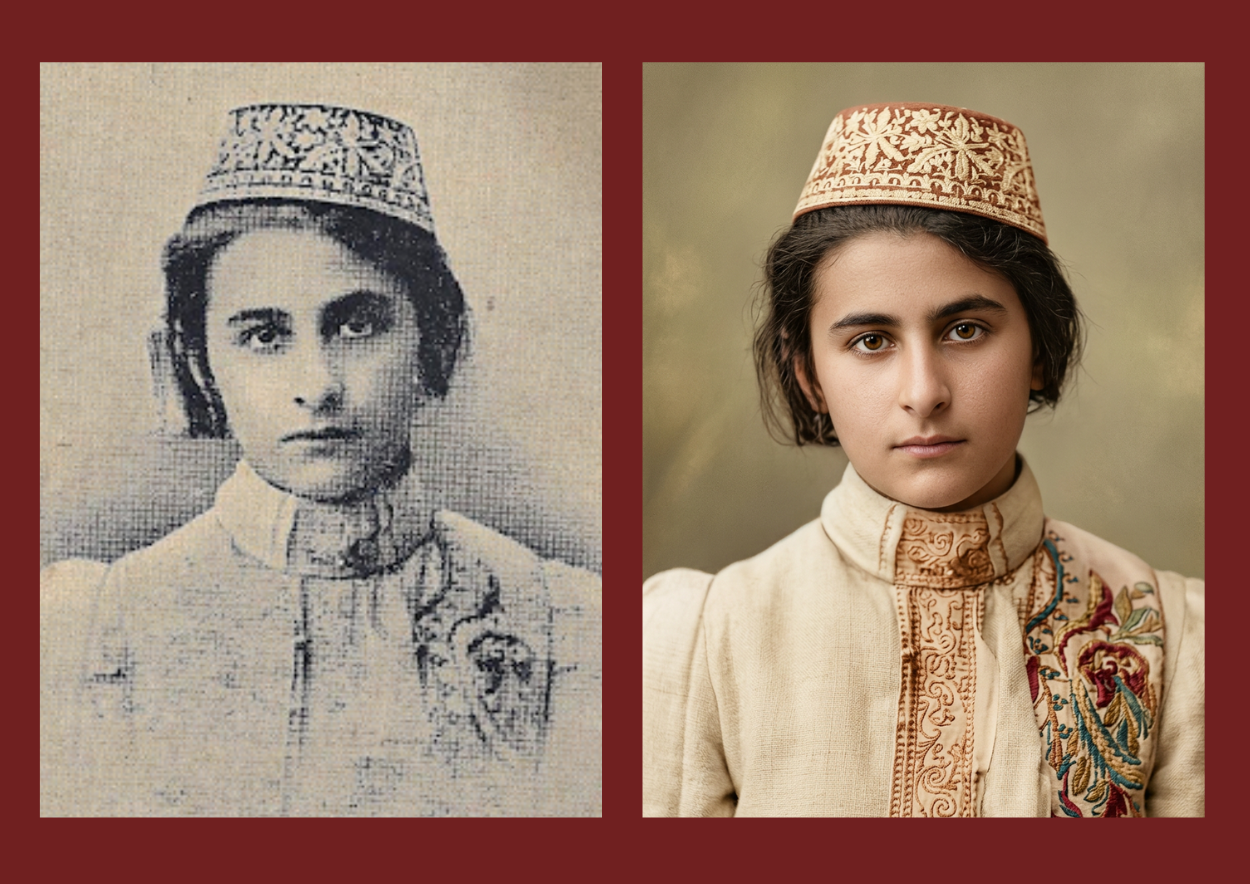
According to the recollections of one of these five, Shefika Gasprinskaya, there were supposed to be at least ten female delegates. But most of the candidates were never able to make it to the meeting hall… And the problem lay not with “outsiders,” but with “insiders.”
The price that had to be paid for women’s representation was high. In the village of Uskut, the imam of the local mosque, stick in hand, broke up a women’s gathering. In Alushta, husbands and brothers beat their wives to force them to shut down the “Women’s Committee” — an organization where Crimean Tatar women discussed education, politics, and rights. A female candidate from the Simferopol district withdrew her candidacy in favor of a man — clearly not of her own free will.
Who, then, were these five who could neither be intimidated nor stopped?
Shefika Gasprinskaya — daughter of the educator Ismail Gasprinsky and editor of the first Crimean Tatar women’s magazine. On the eve of the decisive session, Shefika wrote in her diary that she would defend women’s rights.
Ilhamiya Tokhtar, a delegate from the Yalta district, raised an issue at the Qurultay that people had tried to avoid discussing before the revolution. She reminded the assembly that there had always been a caveat regarding polygamy — a man was obligated to provide for each wife equally — but this caveat had been deliberately ignored, and it was not openly discussed until after the revolution. Tokhtar demanded the same clarity on other issues: she wanted to be told directly, along with the other female delegates, whether similar stipulations existed regarding the right to testify in court and the right to inheritance — and how these were actually spelled out in the Quran.
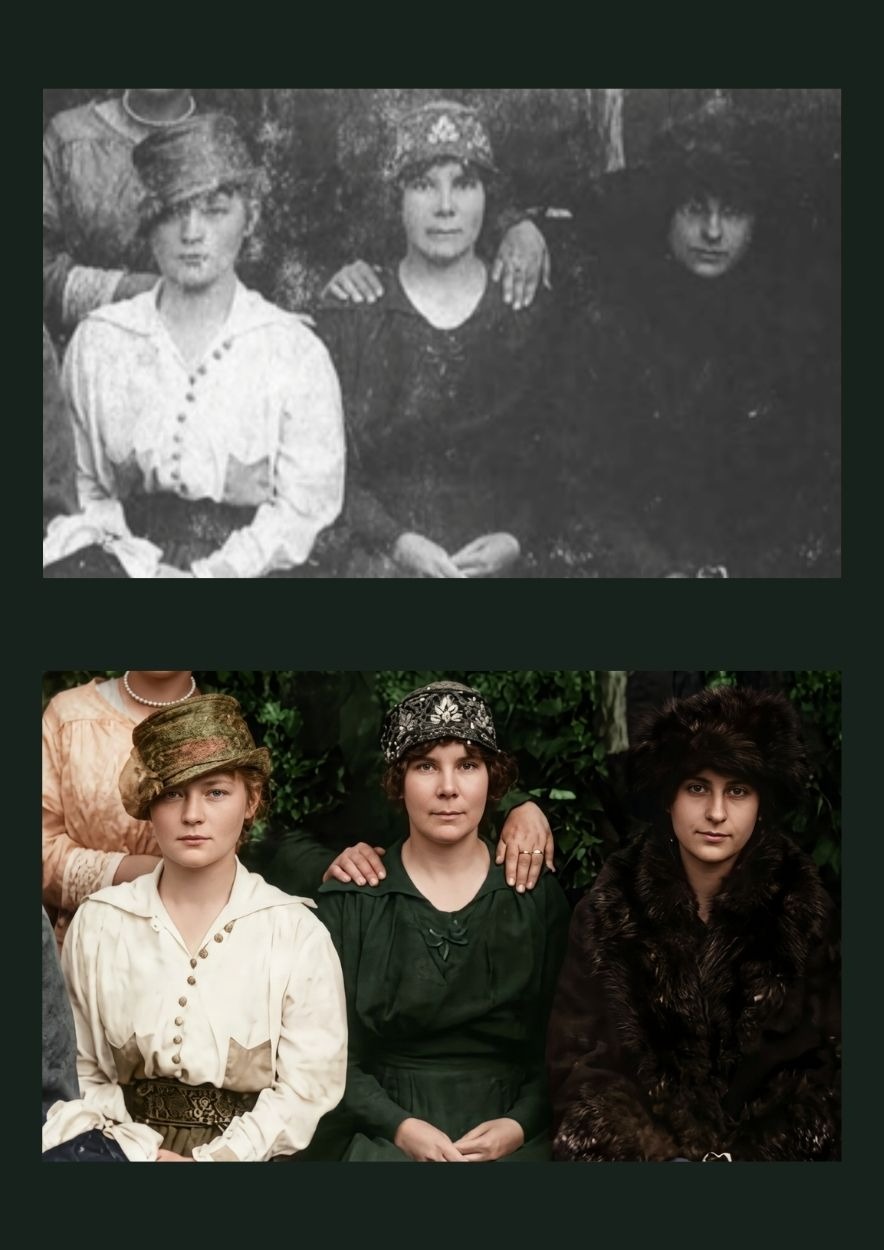
Khadija Avci and Anife Bodaninskaya were also elected delegates, but almost nothing is known about them. The silence of the sources is in itself evidence of this complex history: even the exact number of female delegates remains disputed — some sources list five, others four. According to Gasprinskaya herself, the fifth was Emine Shabarova.
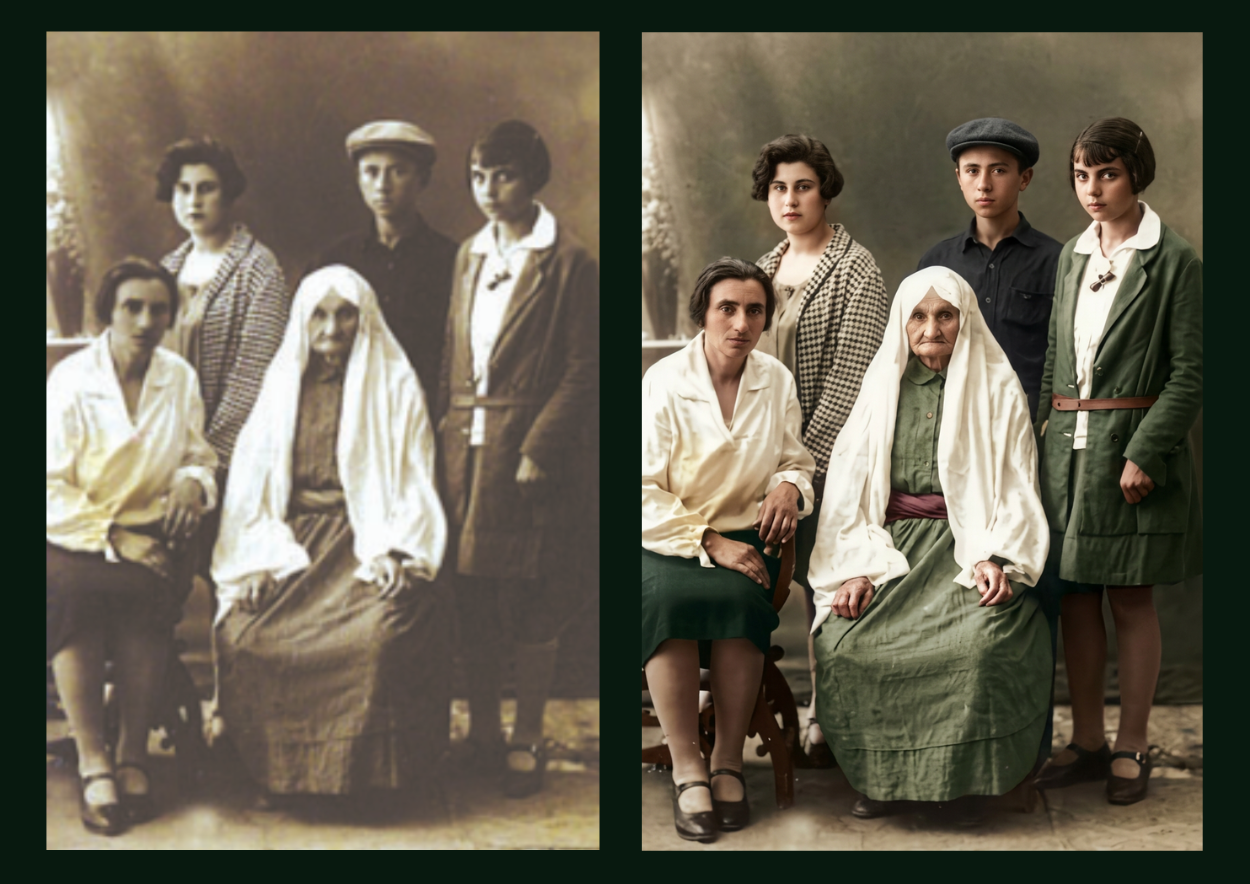
At the Qurultay sessions, the female delegates were not merely present — they were listened to. Noman Chelebidzhihan, the Mufti of Crimea, openly sided with the women: “The Quran always affirms and recognizes the equality of women… The Quran seeks to ensure women’s rights. If we delve into the Quran, its verses, and commentaries, we will find hundreds of examples of this. If, citing the Quran, we do not recognize women’s equality, that would be a slander against Islam” (Minutes of the 18th session, translated from Russian by Zabeleva).
Some delegates agreed, some argued that Sharia law should not be the guiding principle, and others said that the necessary experts were not present in the hall. During the 18th and 19th sessions, heated debates took place regarding how Crimean Tatar women should dress, whether polygamy should be permitted in Crimea, and issues of inheritance.
As a result, three versions of a resolution were put to a vote — ranging from a religious formulation to deferring the matter to a future parliament. A compromise was adopted by a majority vote: equality was recognized in principle, but its final legal codification was postponed.
From then on, Crimean Tatar women were once again able to engage in politics — the Qurultay recognized their equal rights with men even before many European parliaments did. Of course, such changes in a society that had been stagnant for the past century sparked discontent and fear.
But even then, Crimean Tatar women were able to defend their right to vote and set an example for others