ENG

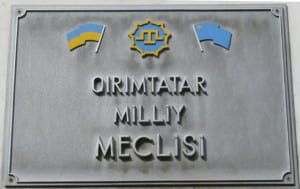
Throughout October, CEMAAT published six articles on the Mejlis of the Crimean Tatar People, the internal balance of power, and the political struggles within it. The beginning of this series of articles can be found here. Our goal was to address the issues that have plagued the Crimean Tatars’ representative body for 35 years.
At the same time, however, several authors on social media — in Ukraine and Turkey — maintained blogs containing largely expository or accusatory content, which gave rise to allegations of a targeted attack on the Mejlis following its legal recognition under Ukrainian law. Moreover, there were people who (just as many years ago) divide Crimean Tatar politics into “hunters” and “victims,” and perceive any attempts to ask questions openly as collaboration with the enemy.
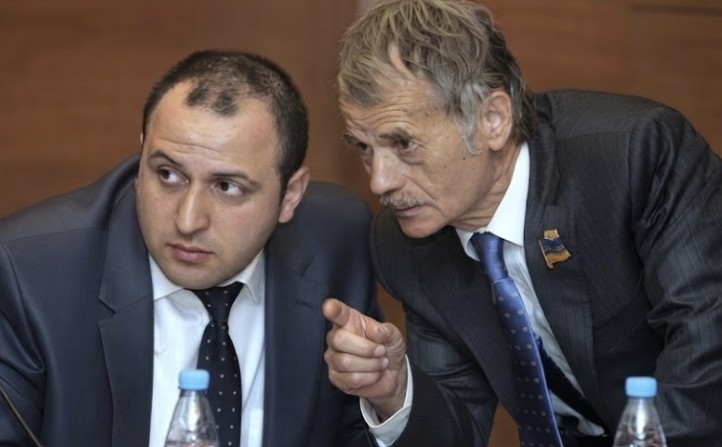
Probably the most honest response to all these accusations comes from the words of Mejlis Deputy Chairman Ilmi Umerov: “Under current conditions, it is impossible to change the Mejlis, so young people must either wait or create something new — just as we did in the 1980s, when, disregarding the advice of veterans of the national movement, we first established the Organization of the Crimean Tatar National Movement (OKND) and then the Qurultay-Mejlis.”
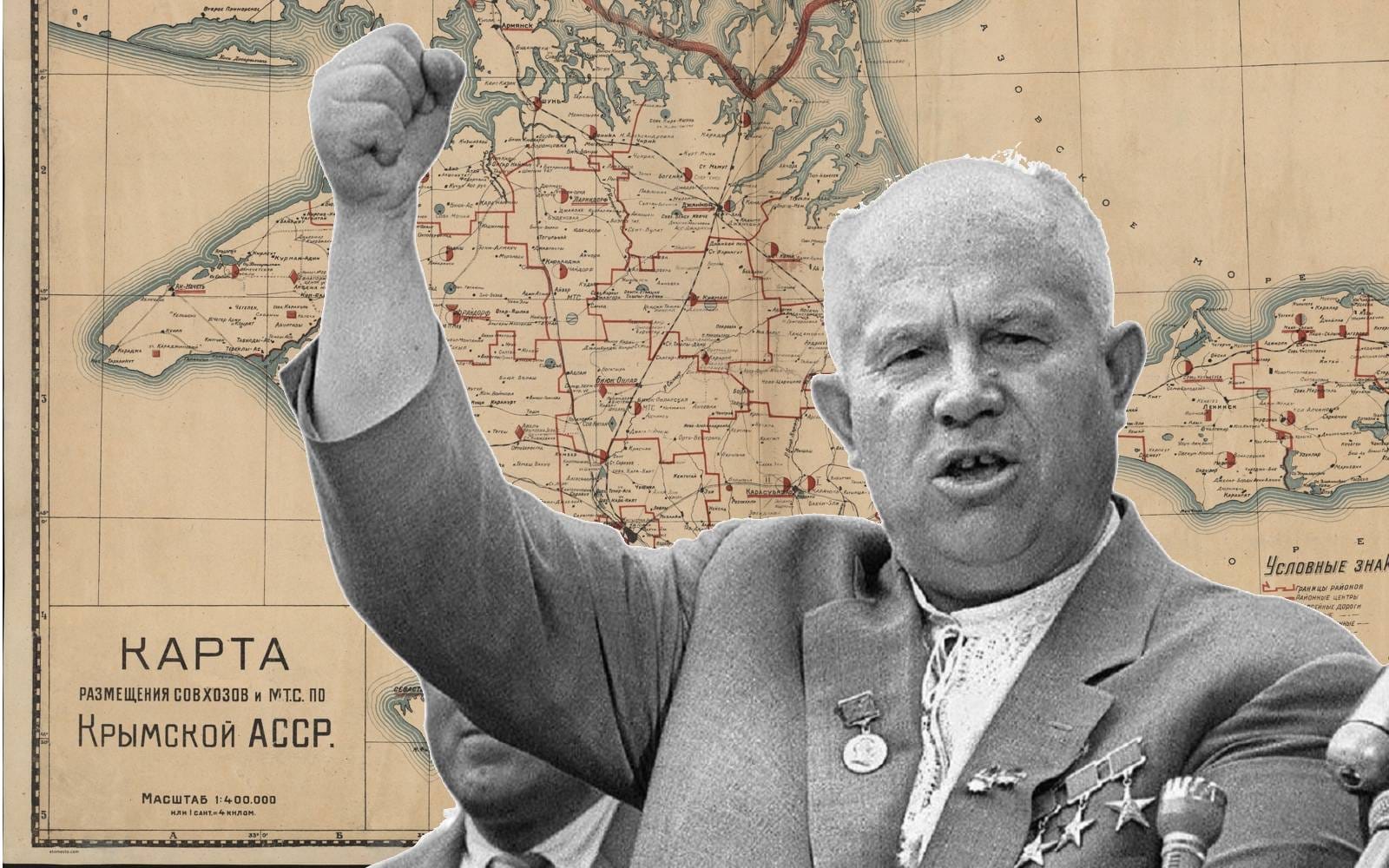
However, this candid response conceals a major danger: if institutions depend exclusively on the individuals who lead them, they will inevitably deteriorate. And this leaves the people stuck in the Middle Ages, almost in line with Louis XIV’s maxim, “The state is me.” Not a single Crimean Tatar institution has survived even a single leadership transition since the loss of the state in 1783. Ismail Gasprinsky’s “Terjiman” disappeared four years after his death; the Milli Firka party and the first Qurultay were crushed by the Bolsheviks; the Soviet Crimean Autonomous Soviet Socialist Republic was destroyed by deportation; the National Movement of Crimean Tatars (NDKT) deteriorated after the assassination of Yuri Osmanov in 1993; and only the second Qurultay was given the chance to evolve from Mustafa Dzhemilev’s project into a nationwide political structure operating according to the rules of its founding fathers — rules whose very existence is in doubt. Nevertheless, this chance has not yet been lost. The first direct elections of Qurultay delegates in 2013 and the change of leadership while the predecessor was still alive became that important milestone, one that no other structure has achieved since the days of the Khanate. This is precisely the core value of the Mejlis-Qurultay system: continuity. The continuity of power is one of the key hallmarks of a civilized society, allowing it to govern itself without having to choose between a lifelong dictatorship and revolution. This is precisely what distinguishes the civilized societies of the “First World” from the rest, where power changes through military uprisings or external intervention.
Having completed its first cycle of leadership transition, the Mejlis-Qurultay structure now finally requires other attributes of a stable yet dynamic system: adherence to rules and procedures, as well as the implementation of a system of checks and balances. The founding members must gradually move away from the arbitrariness inherent in all structures at the outset and transition to operating according to formalized rules. Requirements for accountability and financial transparency should not be seen as a burden, and leadership transitions should become a common occurrence.